
Fibrenza — 14-Enzyme Systemic Blend by HCP Formulas
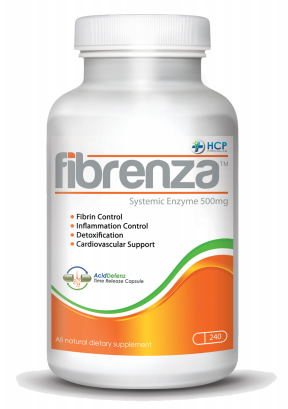
Fibrenza is a systemic enzyme supplement combining 14 enzymes — proteolytic enzymes, digestive enzymes, and the antioxidant SOD — in one formula, protected by AcidDefenz acid-resistant capsules for consistent absorption.





Why Choose Fibrenza
- 14-enzyme systemic blend, including Nattokinase NSK-SD, Serrapeptase, and Bromelain
- AcidDefenz vegetable-cellulose capsules protect enzymes from stomach acid
- Includes SOD (Superoxide Dismutase), an antioxidant enzyme
- Free U.S. shipping, ships via USPS in 2–3 business days
- Manufactured by HCP Formulas
What’s in Fibrenza
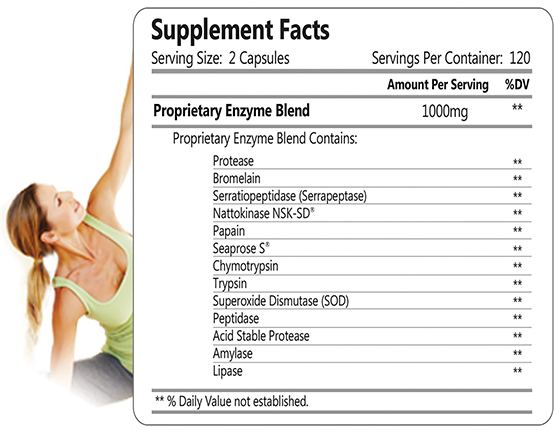
Fibrenza combines three enzyme categories in one capsule:
Proteolytic enzymes — break down proteins and cellular debris in the body:
- Serrapeptase (Serratiopeptidase)
- Trypsin
- Chymotrypsin
- Protease (including acid-stable protease)
- Bromelain
- Papain
- Peptidase
- Seaprose-S
- Nattokinase NSK-SD
Digestive enzymes — support digestion of protein, carbs, and fat:
- Pancreatin
- Amylase
- Lipase
Antioxidant:
- Superoxide Dismutase (SOD) — helps break down reactive oxygen molecules in cells
Key Ingredients in Fibrenza
Always take with a full glass of water. Consult your healthcare provider before adjusting dosage, especially if you’re on blood thinners — systemic enzymes like nattokinase and serrapeptase can interact with anticoagulant medications.
AcidDefenz Capsule Technology
Most enzyme supplements lose potency in stomach acid before they’re absorbed. Fibrenza uses AcidDefenz capsules — a non-GMO, plant-derived cellulose shell designed to resist breakdown in the stomach so enzymes release further along in the digestive tract, supporting more consistent absorption.
How Systemic Enzymes Work
Proteolytic enzymes are best known for helping digest dietary protein, but taken systemically (on an empty stomach, away from food) they’re absorbed into the bloodstream rather than staying in the gut. There, research on enzymes like serrapeptase and nattokinase points to a role in breaking down fibrin — a protein involved in blood clotting and tissue repair — and supporting the body’s normal inflammatory response.
Starting Fibrenza
Some people notice mild effects — such as headache, fatigue, or nausea — when first starting a systemic enzyme regimen, particularly at higher doses. If this happens, try starting at the lower end of the dosing range, increase water intake, and take capsules on an empty stomach as directed. Talk to your healthcare provider if symptoms persist.
Frequently Asked Questions
What is Fibrenza used for? Fibrenza is a 14-enzyme systemic blend formulated to support the body’s normal fibrin metabolism, blood health, and inflammatory response.
How does Fibrenza work in the body? Its proteolytic enzymes help break down proteins and cellular debris, supporting the body’s natural processes for managing fibrin and inflammation.
Are systemic enzymes good for you? Systemic enzymes are commonly used to support the body’s natural healing and inflammatory processes. As with any supplement, check with your healthcare provider, especially if you take other medications.
What enzyme reduces fibrin? Fibrinolytic enzymes — including nattokinase and serrapeptase, both found in Fibrenza — support the natural breakdown of fibrin and the conversion of plasminogen into plasmin, part of the body’s normal clot-regulation process.
How many digestive enzymes can I take a day? Follow the dosing table above, or your healthcare provider’s guidance. Typical proteolytic enzyme regimens use amounts like up to 400 mg of bromelain or up to 100,000 USP units of chymotrypsin per day — always confirm with a provider before adjusting.
Complementary Products
Many Fibrenza customers pair it with a probiotic to support gut health alongside systemic enzyme use.
Information and statements regarding dietary supplements have not been evaluated by the Food and Drug Administration and are not intended to diagnose, treat, cure or prevent any disease.